Monty Don’s BBC American Gardens features the PGT
The first of Monty Don’s BBC Show on American Gardens was shown today in England. Amazingly the first garden they discuss and visit is the Prairie Garden Trust (PGT). There … Continued

The first of Monty Don’s BBC Show on American Gardens was shown today in England. Amazingly the first garden they discuss and visit is the Prairie Garden Trust (PGT). There … Continued
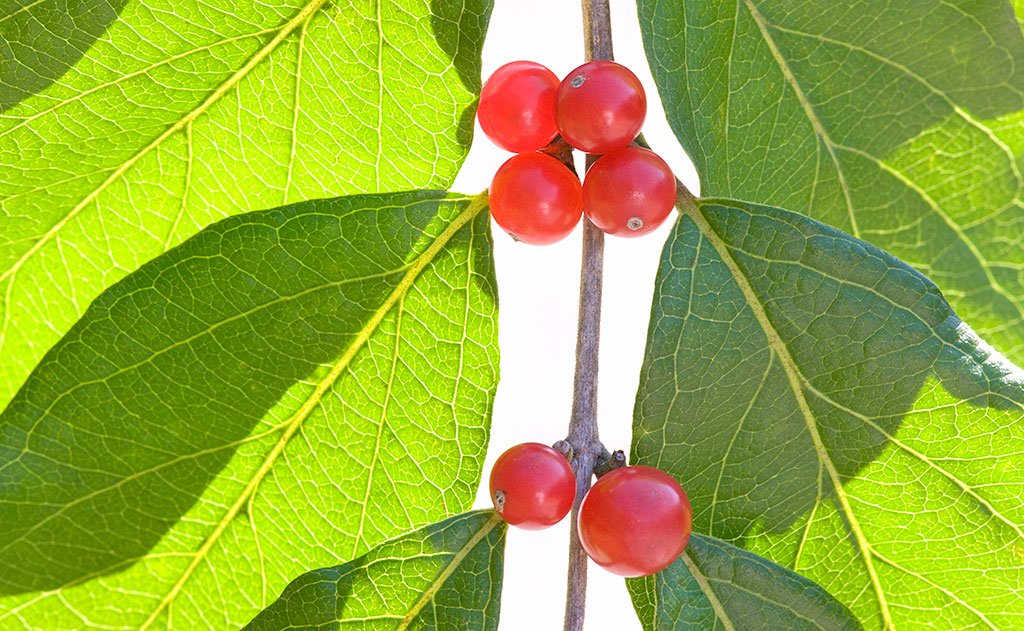
Invasive exotics replace native plants by overwhelming them and taking over. This reduces the variety plants and animals and leaves us and the environment impoverished. One example is Bush Honeysuckle. … Continued
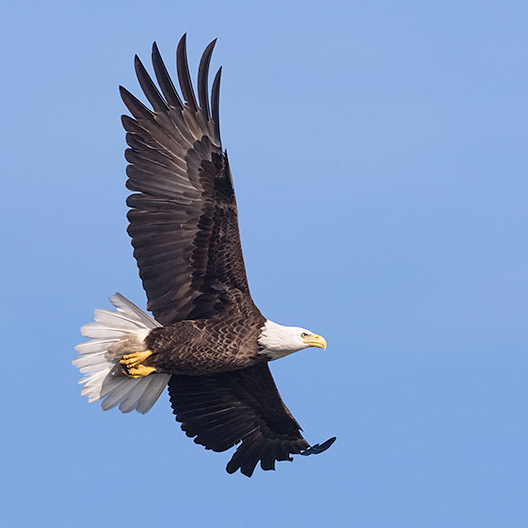
We saw a Bald Eagle at Potter’s Lake yesterday. It perched on top of a giant cottonwood tree. We’ve never had one nest here before, but I hope this one … Continued
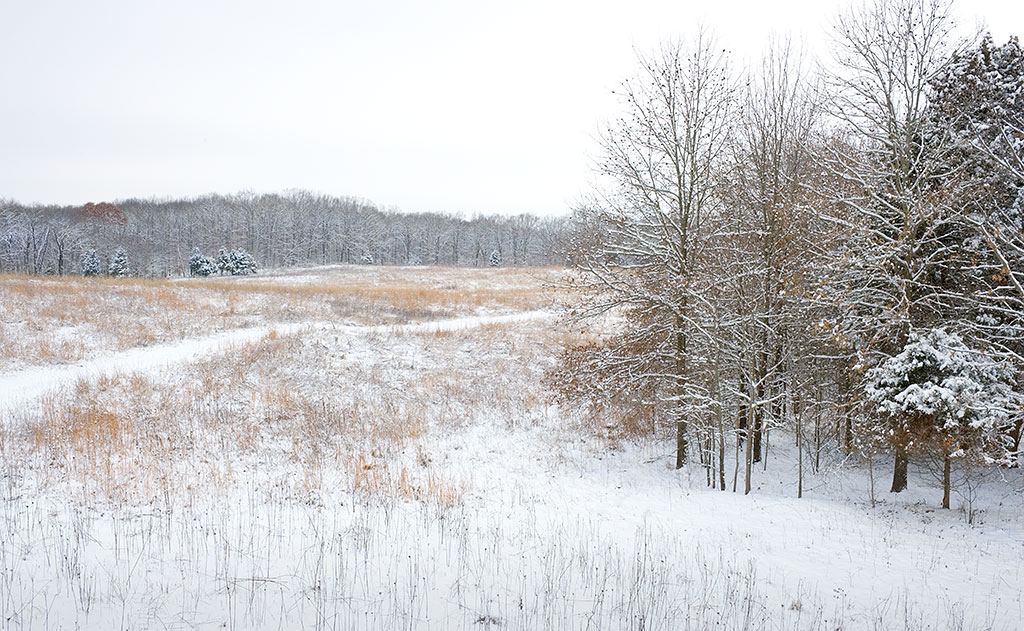
We’ve had some snow the past few days. If we’re lucky it won’t melt, and we’ll have a White Christmas. This is a view of Indigo Prairie, just south of … Continued
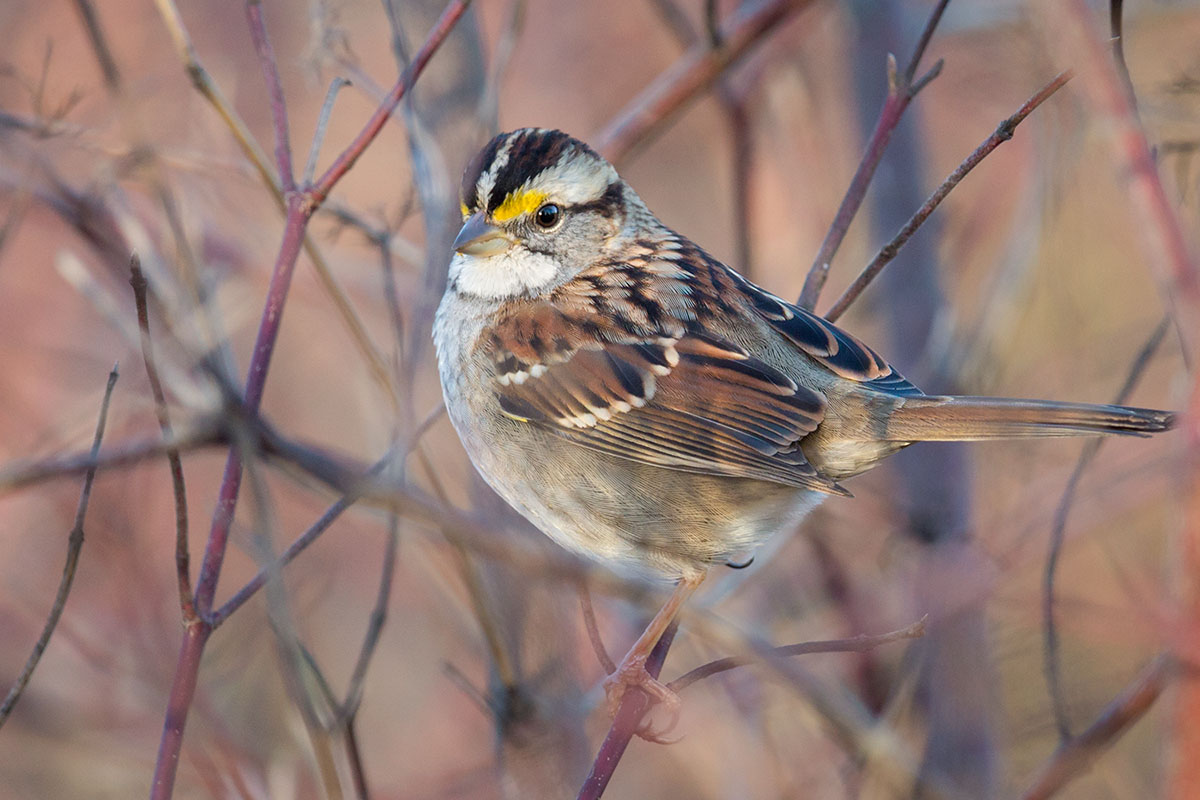
The colorful warblers have migrated south for the winter, but a new batch of birds have settled in for the winter. One of the most common of the winter birds … Continued
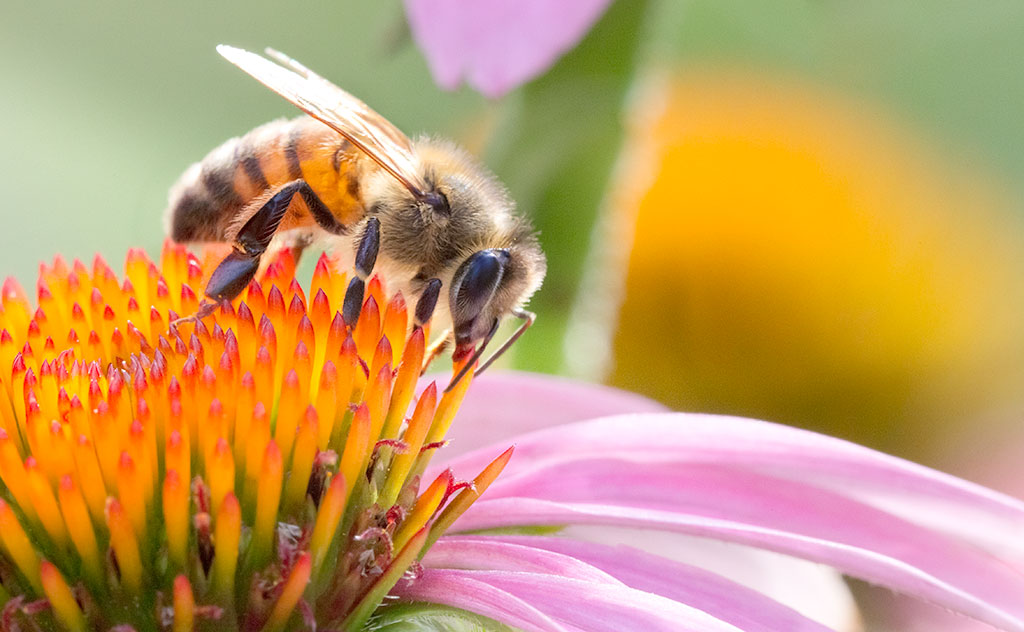
When we first moved to the PGT I used to keep beehives and sell honey. Even though it’s an exotic species, the honeybee is the official state insect of Missouri.

The bright red berries of Possumhaw (deciduous holly) have become more obvious now that the leaves have fallen. Birds, and a variety of small mammals (including opossums as the common … Continued
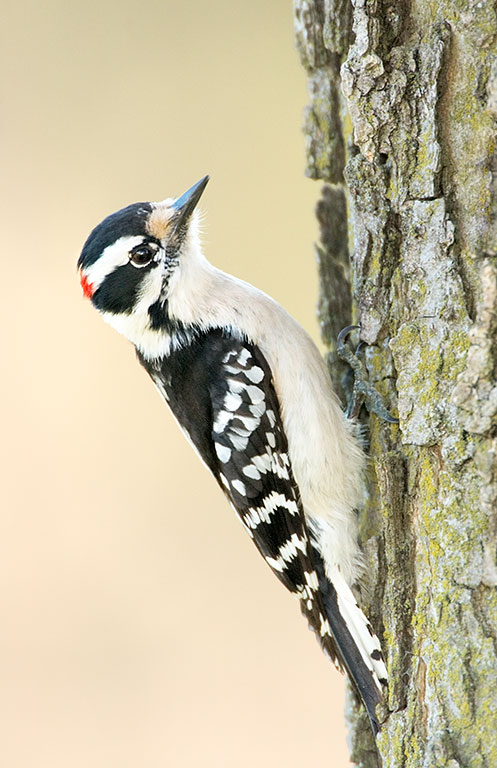
We have 7 kinds of woodpeckers at the Prairie Garden Trust (PGT). The Downy Woodpecker is one of the most common. They others are: Red-bellied Woodpecker, Hairy Woodpecker, Pileated Woodpecker, … Continued
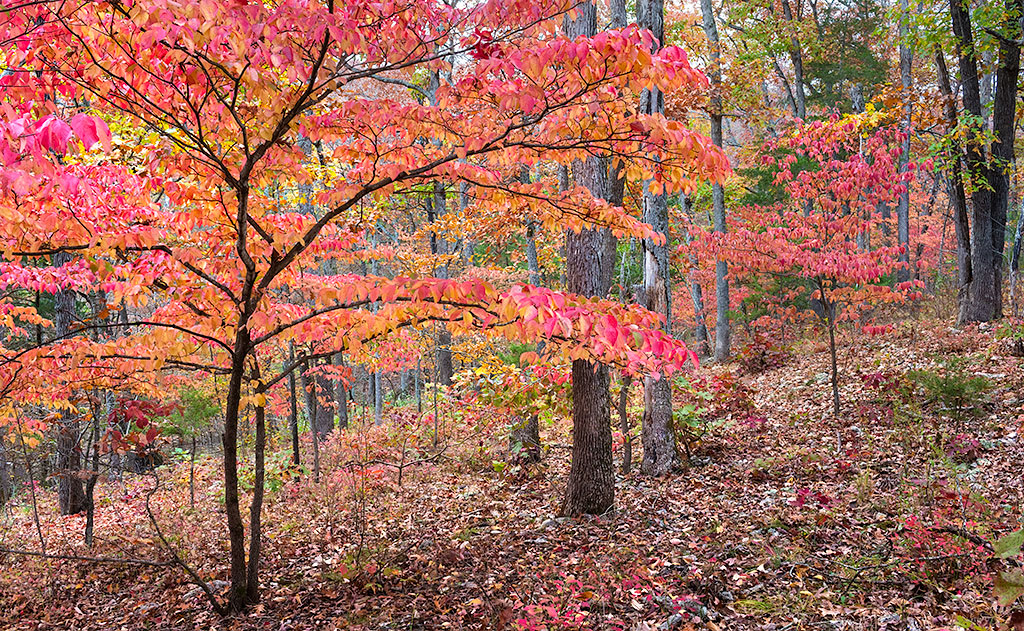
The Flowering Dogwood trees have been showing great fall color for over a month, and they are still going. These trees are on the southern and western edges of Indigo … Continued
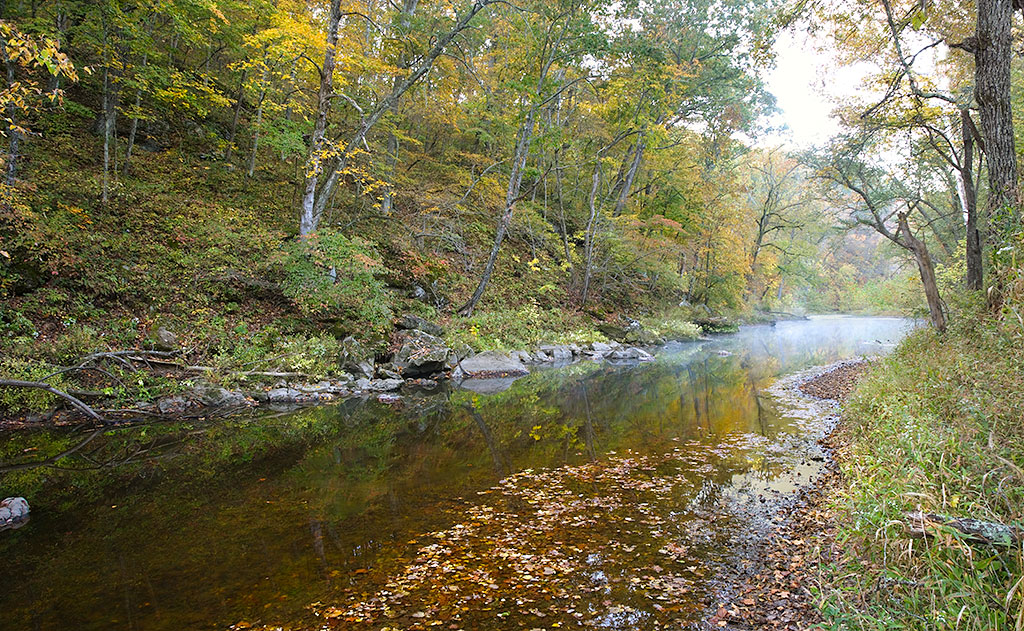
This is the main creek at the Prairie Garden Trust (PGT). It meanders through rich forests and is lined by rocky bluffs.