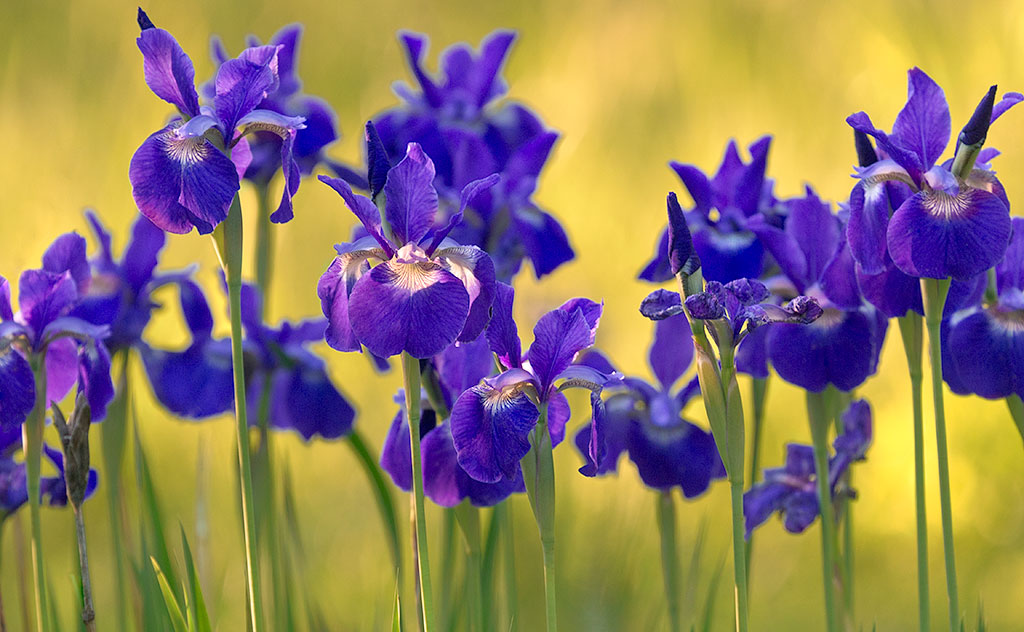
Siberian Iris
At the PGT we feature natives, i.e. plants that occur naturally to a given area. One non-native that we tolerate is Siberian Iris. It’s well behaved and isn’t invasive. We … Continued

At the PGT we feature natives, i.e. plants that occur naturally to a given area. One non-native that we tolerate is Siberian Iris. It’s well behaved and isn’t invasive. We … Continued
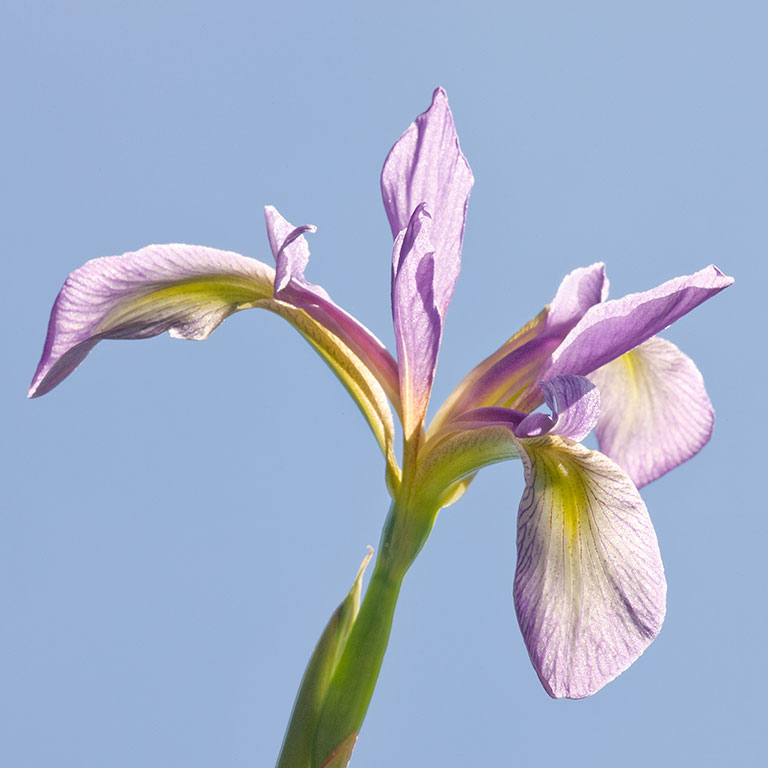
I saw the first blooms of this wild iris yesterday along the edge of Potter’s Lake. This native wildflower is much better behaved than the invasive exotic Yellow Iris. Decades … Continued
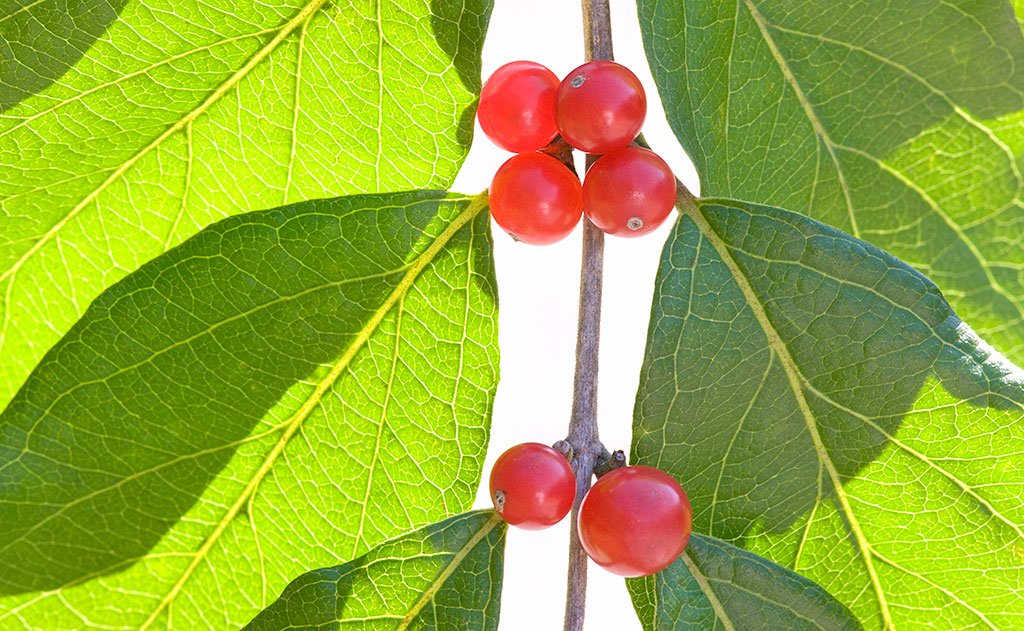
Invasive exotics replace native plants by overwhelming them and taking over. This reduces the variety plants and animals and leaves us and the environment impoverished. One example is Bush Honeysuckle. … Continued
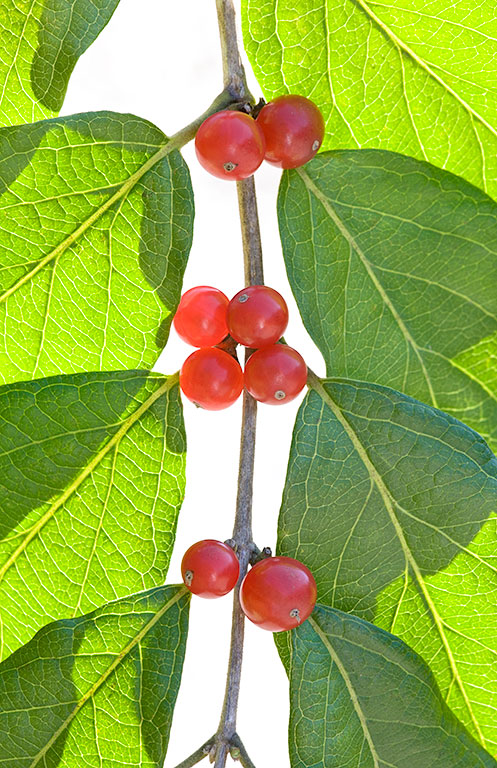
Invasive Exotics are introduced species that spread aggressively and harm the environment. They are increasingly common in everyone’s backyard. At the Prairie Garden Trust (PGT) we want to show the … Continued
Despite years of working hard to find and destroy invasive exotic plants at the PGT, their variety and numbers are increasing. An ideal time to find exotics is now; before … Continued
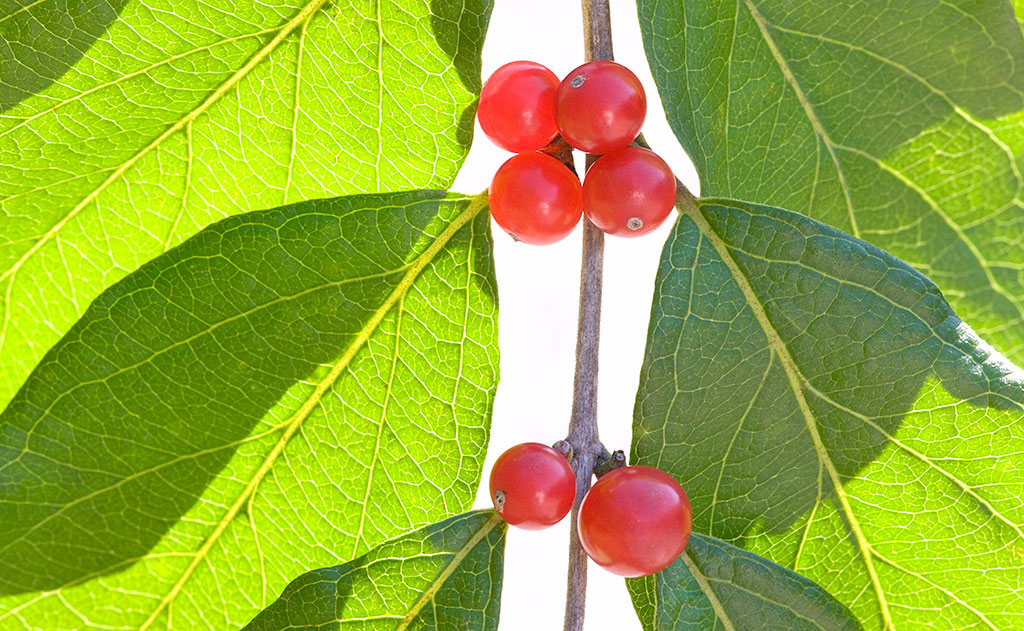
This week I’ve come to understand how wildly invasive Bush Honeysuckle is. 5-year ago we found the first Bush Honeysuckle at the PGT and immediately killed it. Because many nature … Continued
Bush Honeysuckle with Berries Walking after dinner tonight I noticed some shrubs leafing out along the trail. Inspecting them I was disappointed to find Bush Honeysuckles, an invasive exotic from … Continued
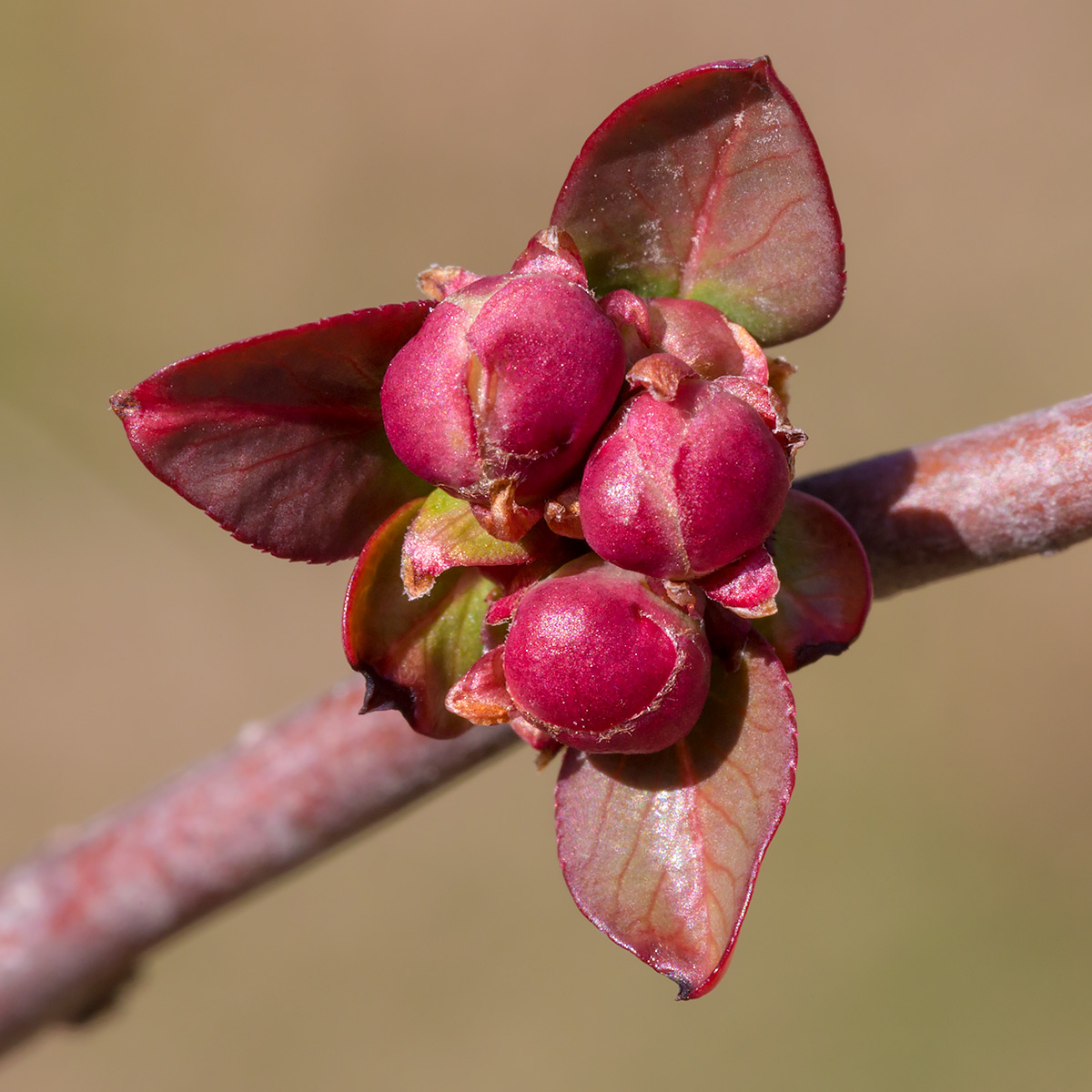
Flowering Quince – Not native to the PGT We showcase native plants at the Prairie Garden Trust. The idea is to find the beauty in what nature has to offer. … Continued
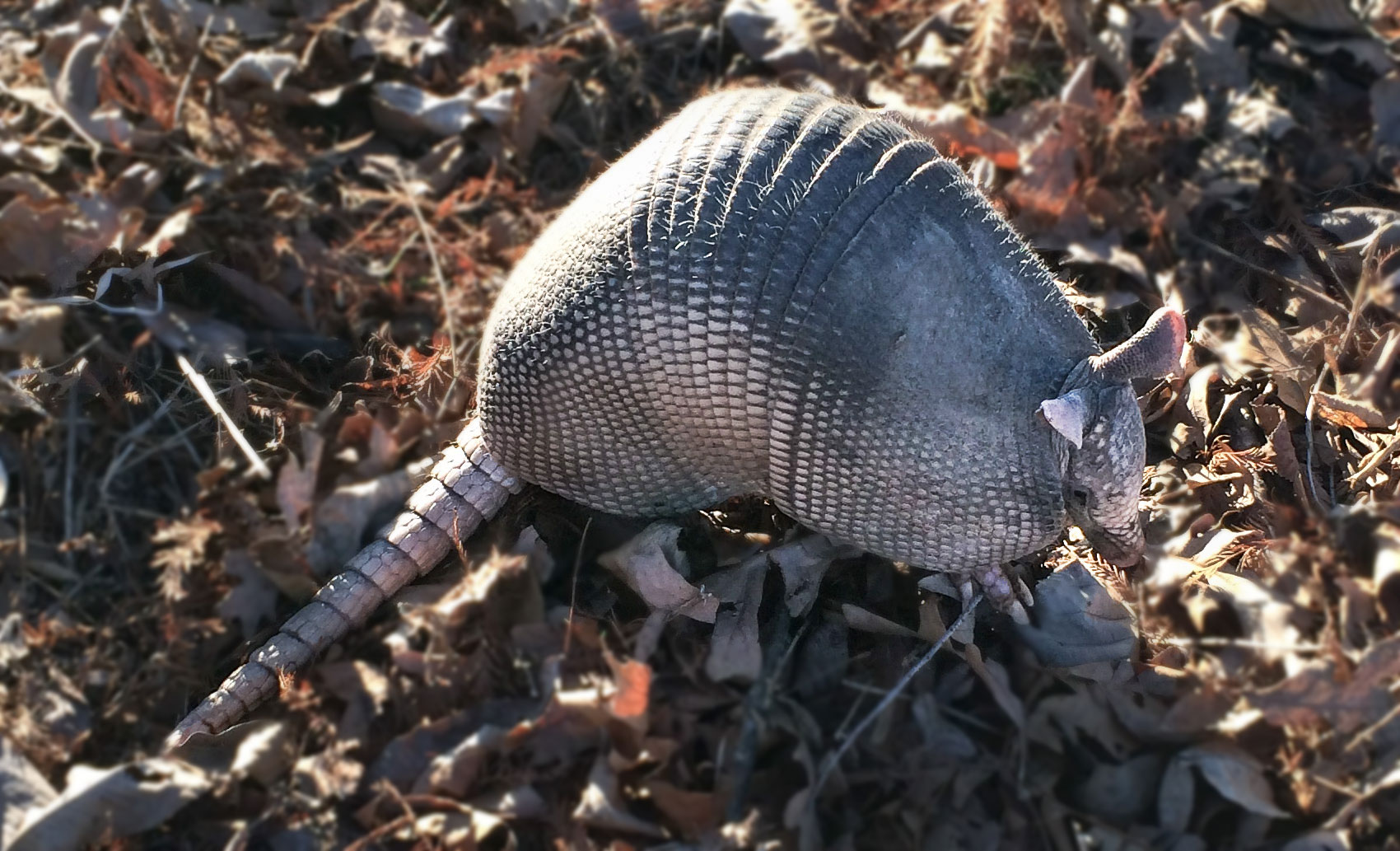
Nine-Banded Armadillo I saw an Armadillo at the Prairie Garden Trust today for the first time. That is first record of one on the property since we moved here in … Continued
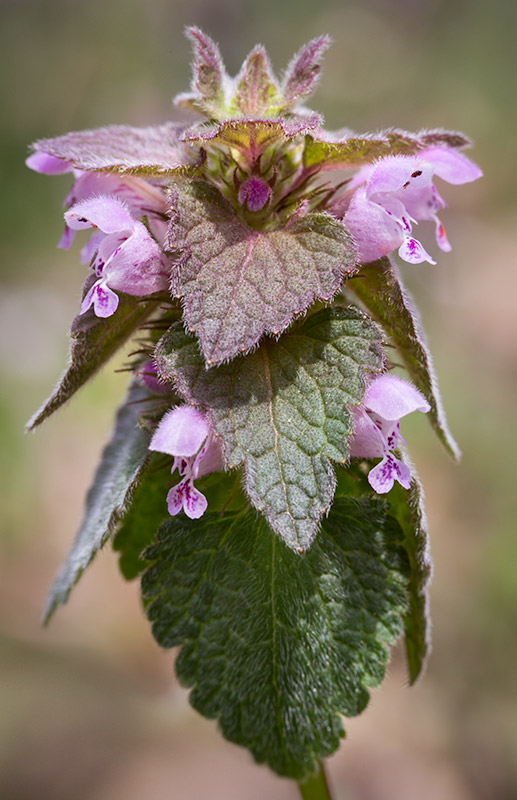
I snapped this picture today walking down to the mailbox to pick up our mail. The common name for this plant is Henbit. It is native to Europe, Northern Africa … Continued